
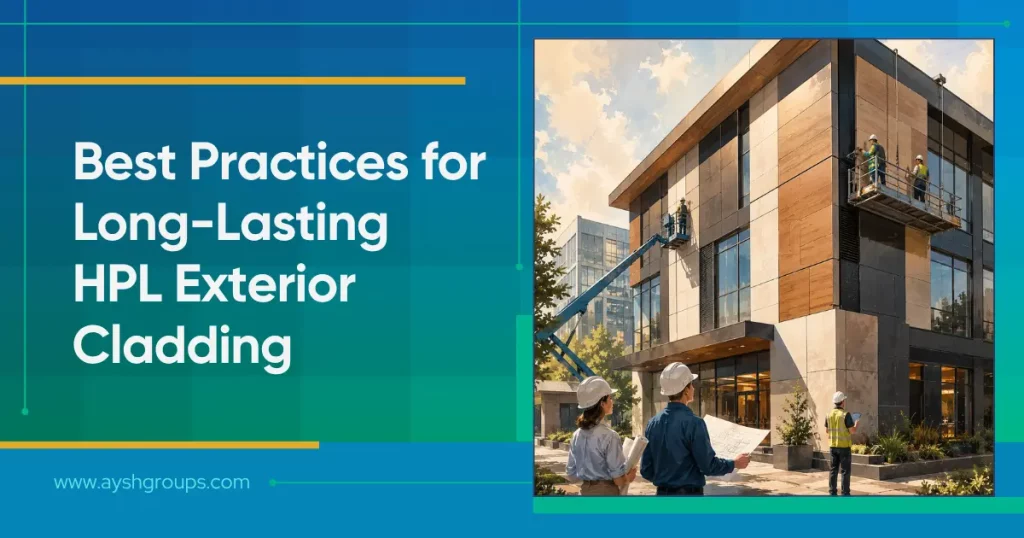
Why HPL Cladding Remains a Preferred Exterior Solution
Modern architecture increasingly demands building materials that combine durability, aesthetics, weather resistance, and low maintenance. Among the most widely preferred facade solutions, High-Pressure Laminate (HPL) Cladding has become a popular choice for commercial buildings, residential projects, educational institutions, and corporate spaces.
Known for its sleek appearance and structural reliability, HPL cladding offers excellent resistance against moisture, UV exposure, scratches, and environmental wear. However, as with any exterior architectural material, proper maintenance is essential to preserving its long-term appearance and performance.
Although HPL cladding is considered relatively low maintenance compared to many traditional facade systems, regular care and preventive inspections help maximize its lifespan while maintaining visual appeal.
Regular Surface Cleaning Preserves Appearance
One of the simplest yet most important maintenance practices for HPL cladding panels is routine surface cleaning. Exterior surfaces are constantly exposed to dust, pollution, rainwater deposits, and airborne contaminants, which gradually degrade aesthetics.
For regular cleaning:
- Use soft cloths or non-abrasive sponges
- Clean surfaces with mild soap and water
- Avoid harsh chemical cleaners
- Rinse thoroughly to prevent residue buildup
Routine cleaning helps maintain the original finish and prevents dirt accumulation from becoming difficult to remove later.
HPL materials are commonly designed with durable decorative surfaces that resist weathering and environmental exposure. High-pressure laminates are manufactured by compressing layers under high pressure to improve durability and surface strength.
Inspecting Joints & Fastening Systems
While the cladding panels themselves are highly durable, the supporting installation system also requires periodic inspection. Over time, external environmental conditions such as wind pressure, moisture exposure, and temperature fluctuations can impact fastening components and joint systems.
Regular inspection should focus on:
- Panel alignment
- Fastener stability
- Joint seal integrity
- Expansion gap condition
- Water drainage pathways
Early detection of loose fittings or damaged seals helps prevent larger structural or moisture-related issues in the future.

Protecting Against Moisture Accumulation
One major advantage of HPL exterior cladding is its resistance to moisture and humidity. However, poor drainage or blocked ventilation can still lead to unwanted moisture accumulation behind panels.
To maintain long-term performance:
- Keep drainage channels clear
- Ensure ventilation gaps remain unobstructed
- Remove debris buildup near facade joints
- Inspect areas exposed to constant water contact
Proper moisture management supports facade durability and helps maintain structural stability over extended periods.
Modern ventilated facade systems are specifically designed to improve moisture management and thermal efficiency within building envelopes. Ventilated cladding systems help regulate airflow and reduce moisture retention behind exterior panels.
Avoiding Abrasive Damage During Maintenance
Although HPL cladding surfaces are highly resistant to scratches and impact, improper cleaning methods can still damage the finish. Using abrasive scrubbers, sharp tools, or strong solvents may reduce the surface quality over time.
To preserve panel aesthetics:
- Avoid steel wool or abrasive pads
- Do not use highly acidic cleaners
- Prevent impact from sharp construction tools
- Follow manufacturer-recommended cleaning methods
Gentle maintenance practices significantly improve long-term appearance retention.
Periodic Professional Inspection Improves Longevity
For large commercial buildings or high-rise projects, professional facade inspections are highly recommended at scheduled intervals. Experienced technicians can identify hidden issues such as:
- Structural movement
- Sealant deterioration
- Water ingress risks
- Subframe corrosion
- Ventilation blockage
Preventive inspection reduces costly repairs and helps maintain the facade’s overall performance for many years.
Maintaining Elegant & Durable Exterior Facades
The long-term performance of HPL Cladding depends on a combination of routine cleaning, moisture management, joint inspection, and preventive maintenance practices. With proper care, HPL facades can maintain their appearance, structural integrity, and weather resistance for many years while continuing to enhance the visual appeal of modern buildings. Investing in regular maintenance not only protects the facade system but also preserves the property’s overall value and aesthetics.
For projects seeking durable, aesthetically advanced exterior facade solutions, Aysh offers high-quality HPL cladding systems for modern architectural applications. Their cladding solutions combine visual elegance with reliable weather resistance and long-term structural performance for residential and commercial environments.